
For more than 50 years, the Clean Water Act has served as the nation’s bedrock law for protecting rivers, lakes, streams, and wetlands from pollution. Passed in 1972, the Act is built on a simple principle that it is unlawful to pollute the waters of the United States without a permit. To make that concept real, the law depends on defining which waters are included, known as “Waters of the United States,” or WOTUS. If a waterbody is not recognized as WOTUS, it is not protected by the Clean Water Act. No permit limits. No monitoring. No federal oversight.
The newly proposed rule from federal agencies represents one of the most sweeping reductions in Clean Water Act coverage since the law was enacted. The EPA states that the changes are being made to comply with the Supreme Court’s decision in Sackett v. EPA, but the proposed definitions go far beyond what the Court allowed. Instead of working with a narrow fix, as the Biden Administration began implementing, the agencies have proposed a framework that undermines protections for wetlands nationwide and reshapes how entire watersheds are regulated. The Spokane River watershed is no exception.
At the center of the proposal is a drastically narrowed definition of what counts as “relatively permanent.” Under the new rule, only waters with continuous year-round flow, or steady flow during an undefined “wet season,” would qualify for protection. This ignores decades of hydrologic science. Much of the Spokane River basin is driven by snowmelt and seasonal variability. Hangman Creek and many smaller tributaries swell in spring and shrink in summer, yet they remain essential to water quality in the river. Under the proposed rule, these waters could fall outside federal jurisdiction simply because they do not flow at the right moment in the right season.
The proposal also redefines what counts as a tributary, requiring a continuous surface connection to navigable water. In the Spokane basin, many stream systems flow through wetlands, culverts, or subsurface channels before reaching the Spokane River. This is normal for our geology and climate but the proposed rule treats these connections as complete breaks. If a stream briefly flows underground, or through a wetland that itself lacks “relatively permanent” flow, the entire upstream system could lose federal protection.
Wetlands are perhaps most directly at risk. In the wake of Sackett, which sharply restricted protections for wetlands without a continuous surface connection, the agencies claim this rule simply brings regulations in line. You can explore this map NRDC created to see the impact of this ruling (best viewed in Chrome on a computer). But the proposed rule goes further by narrowing the definition of protected wetlands and adopting requirements that exclude the vast majority of wetlands in Washington State. Wetlands that contribute flood storage, cold-water recharge, and filtration for the Spokane River could be drained or filled without triggering any review.
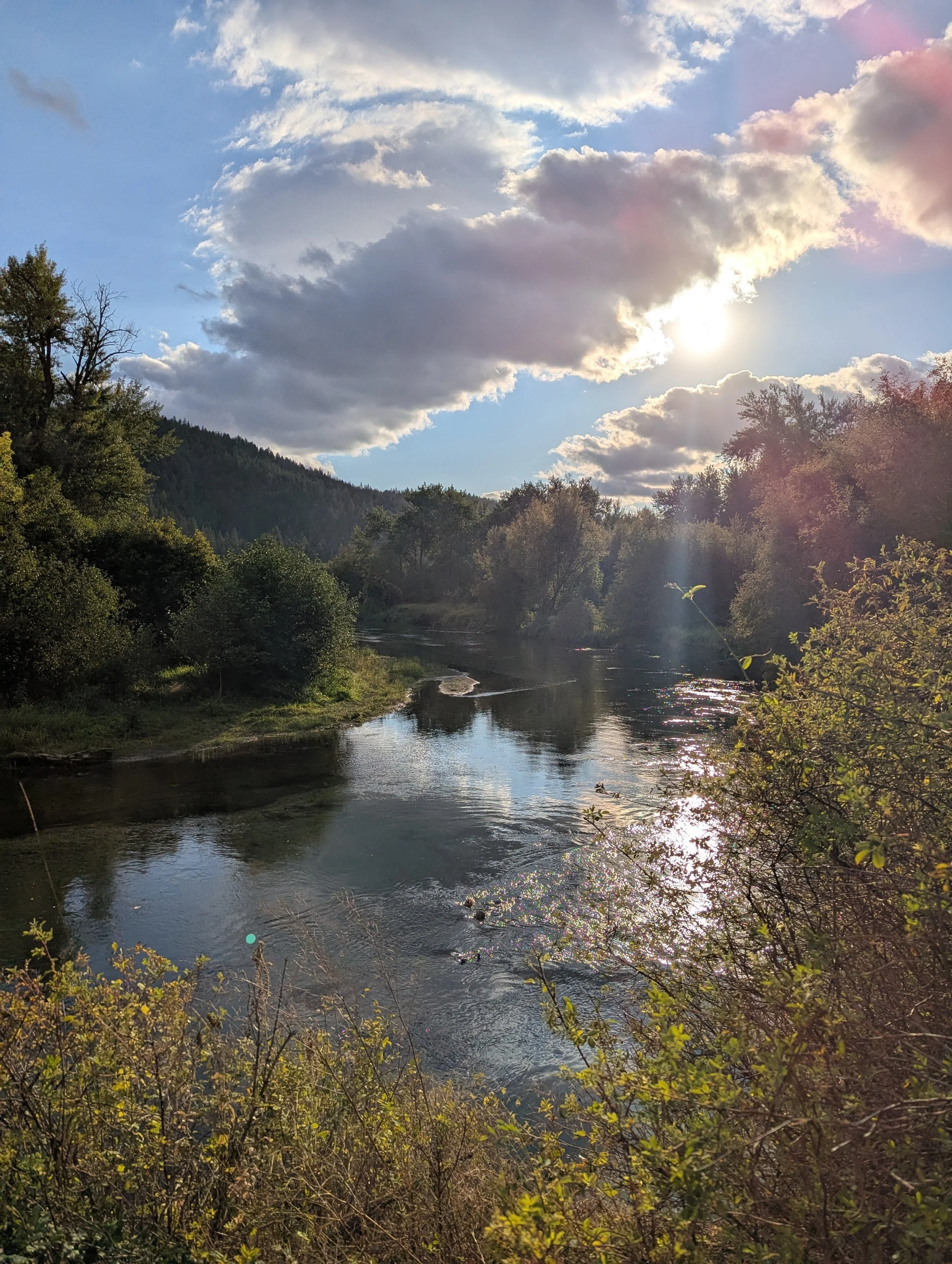
These changes matter deeply here at home. The Spokane River is an interstate water, flowing from Idaho into Washington, precisely the type of water that has received automatic federal protection since 1948. Yet the proposed rule eliminates the “interstate waters” category entirely. Instead, the river would only be protected if it meets one of the remaining far narrower categories. What has been a guaranteed protection for more than 70 years is suddenly contingent, putting our headwaters at risk for upstream pollution.
When Spokane Riverkeeper or other citizen groups take legal action to enforce a pollution permit, we rely on the Clean Water Act and the WOTUS definition to ensure that discharges into tributaries and connected waters are included. Narrowing which waters are considered jurisdictional would leave many upstream creeks, wetlands, and seasonal channels unprotected. As a result, pollutants entering these waters could bypass federal oversight, making it much harder to hold polluters accountable and protect the Spokane River’s water quality, and placing the entire burden of monitoring on Washington State.
Removing protections for the small and seasonal waters that feed the Spokane River means threatening the natural systems that absorb pollutants, buffer floods, and provide critical habitat for native cold water fish. It also means that new discharges into unprotected upstream waters may no longer require a permit, placing more strain on a river already challenged by legacy pollution, low flows, and climate-driven extremes.
The proposed rule is now open for public comment, and your voice is critical. Federal agencies must consider public input before finalizing the rule, and comments from community members who depend on these waters can influence the outcome. Spokane Riverkeeper will be submitting detailed technical comments, but individual comments matter just as much. They show that the public is watching and that people who live in and care about this watershed want science-based protections, not rollbacks.
We urge you to submit a comment asking the agencies to reject the overly narrow definitions in the proposed rule, restore meaningful protections for wetlands and tributaries, and adopt a framework that truly reflects the hydrology of the Spokane River watershed. You don’t have to be an expert, or have any technical knowledge. Personalized comments, with stories of the waterways, can go a long way.
Please take a few minutes to speak up. The Spokane River, and the wetlands and streams that sustain it, depend on you. You can submit public comments here through January 5th.