
The U.S. Senate recently introduced the Bipartisan American Affordability and Jobs Act (BAAJA). This sounds like positive progress, but the measure hides dangerous pitfalls: if passed, this harmful bill would severely weaken longstanding protections under the Clean Water Act, Endangered Species Act, and National Environmental Policy Act. In reality, it would allow dangerous projects – such as pipelines, power plants, and data centers – to move forward with less environmental scrutiny and fewer opportunities for public input.
The proposal would also destroy Clean Water Act provisions that allow states to use water quality standards to keep pollution out of our waterways. The water provisions in this bill would severely weaken longstanding Clean Water Act protections, limit the authority of states and Tribes to protect their waterways, and make it easier for industry to pollute and destroy our waters.
NPDES Permit Program Changes

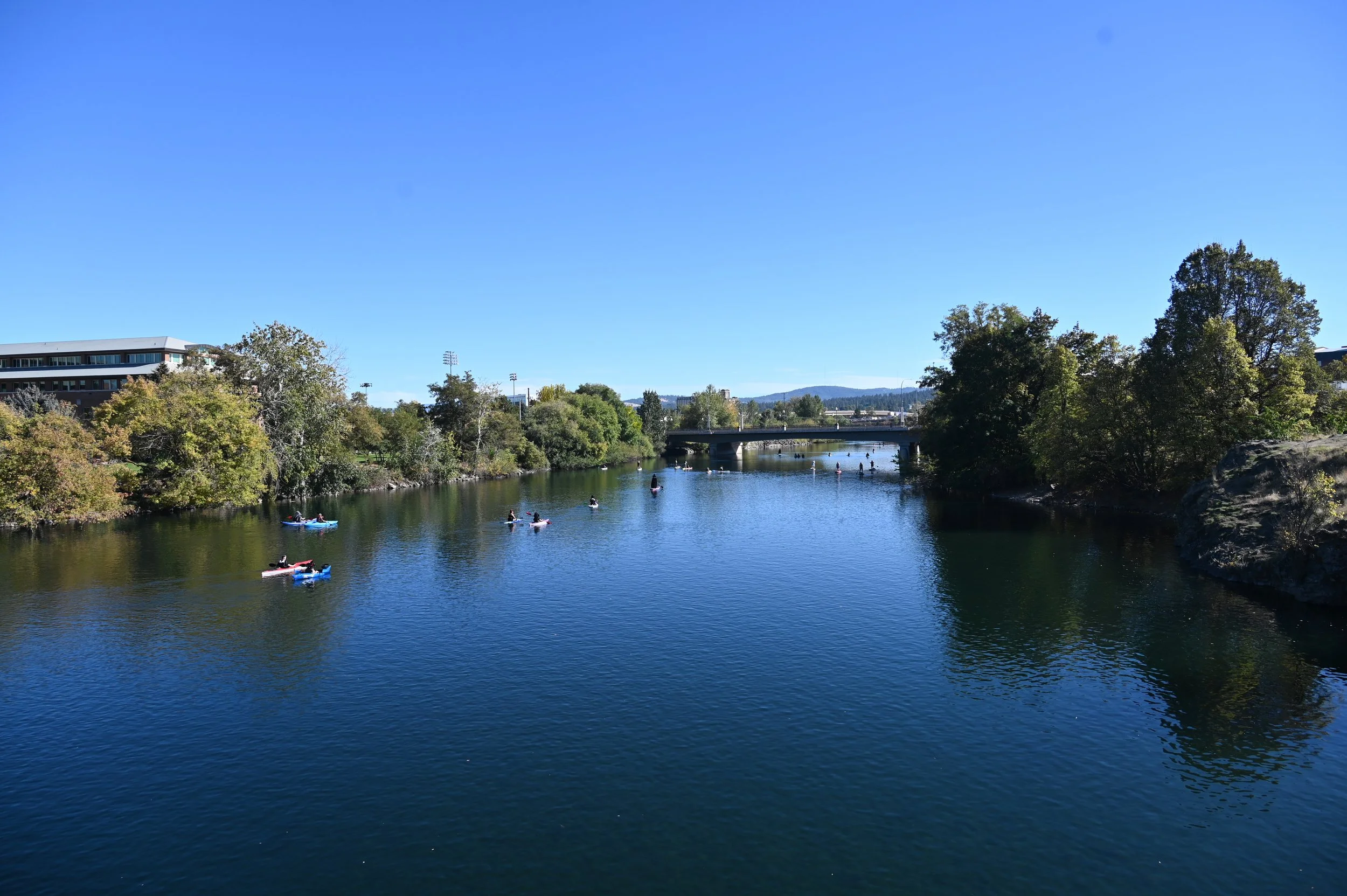
City of Spokane, Riverside Wastewater Treatment Plant outfall to the Spokane River.
The National Pollution Discharge Elimination System (NPDES) is a permit program, designed to regulate polluters who discharge pollutants into waters of the United States. The proposed bill would extend the permits issued to polluters from being 5 years long to 10 years long. This would significantly hamper Washington’s (and other states’ and Tribes’) ability to respond to emerging contaminants and address ongoing pollution sources. In our watershed, the major NPDES permits are expiring in 2027. These permits, first issued in 2022, were the first permits to include limits for PCBs. The next permits have the opportunity to be the first permits to include limits for PFAS and monitoring for 6ppd-quinone. The toxic impact of 6ppd-quinone was only discovered in 2021, not even 10 years ago.
Doubling permit periods would significantly reduce our ability to respond to emerging contaminants and reduce harmful contaminants that are discharged to our waters.
401 Certifications Changes
Section 401 of the Clean Water Act allows states and Tribes to issue certifications for federally permitted or licensed projects. Certifications can be conditioned on water quality requirements or denied if water quality requirements cannot be met (denials are very uncommon). The proposed changes would dramatically reduce the scope of these certifications to only those projects implementing federal Clean Water Programs.
The changes would further raise the bar for denials, requiring states and tribes to have clear and convincing evidence that water quality standards will not be met in order to issue a denial. It also would remove the federal backstop, that allows federal permitting agencies to question the project’s capacity to meet standards even when the state approves. The proposed bill would instead deem the federal water quality standards satisfied by a state certification. The changes also create a special carveout for gas pipelines and interstate transmission lines for natural gas. These projects would instead go through an expedited, less rigorous process reducing their oversight and accountability to environmental protections.
Taken together, all of these changes make it significantly more difficult for federal permitting agencies and certifying authorities (states and Tribes) to deny a Section 401 certification or grant one with conditions to help mitigate water quality impacts.
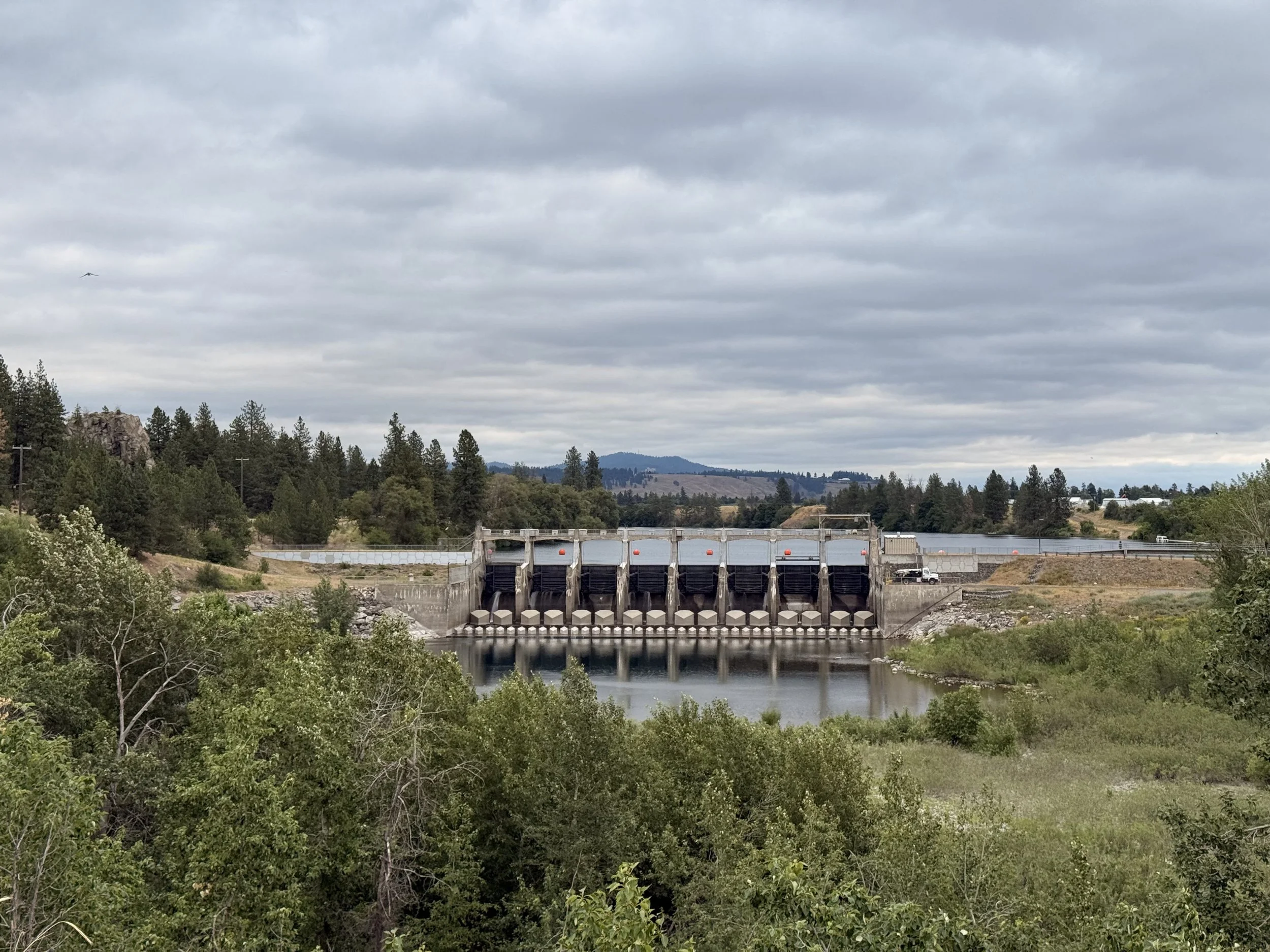
Upriver Dam, owned by City of Spokane
The most notable 401 certifications in our watershed are the ones issued to the hydropower facilities on the river. Avista has one certification for all of its facilities in Washington, and another for Post Falls Dam in Idaho. The City of Spokane also has a 401 Certification for the operation of Upriver Dam. With Upriver Dam currently going through relicensing, it is anticipated that a new 401 certification will be reissued. The certification sought in 1997 was initially denied because of the water quality impacts, then later waived certification. This means Upriver Dam has never had a full 401 certification from the state of Washington, and this bill could prevent a thorough review during the current relicensing.
Other Changes to the Clean Water Act
In addition to changing 401 certifications and NPDES permits, the bill would also have an impact on water quality criteria created by the EPA, dredge and fill permits, and judicial review. The proposed changes would reduce the statute of limitations for 404 permit reviews from 6 years to just 150 days. It would also broaden the scope of general nationwide permits, that are intended to be for projects with minimal collective impact, but the changes would be expedited and reduce environmental impact review. Further, the changes would make it even harder for the EPA to create scientifically sound water quality criteria and open the criteria up to challenge in any US Court of Appeals.
This bill overall is full of poison pills that completely gut the environmental protections in place. Congress should instead work to modernize permitting without weakening the Clean Water Act.
The Bipartisan American Affordability and Jobs Act would limit state and Tribal authority, narrow environmental review, extend pollution permits, restrict EPA oversight, and make it harder for communities to challenge harmful decisions. We can build the infrastructure America needs while maintaining the safeguards that protect clean water.
Tell your members of Congress to vote NO on permitting "reform" that would gut our environmental protections! The deadline is November 9. Waterkeeper Alliance created this easy to use form to help you speak up for clean water. Alternatively, you may phone the United States Capitol switchboard at (202) 224-3121. A switchboard operator will connect you directly with the Senate office you request.