
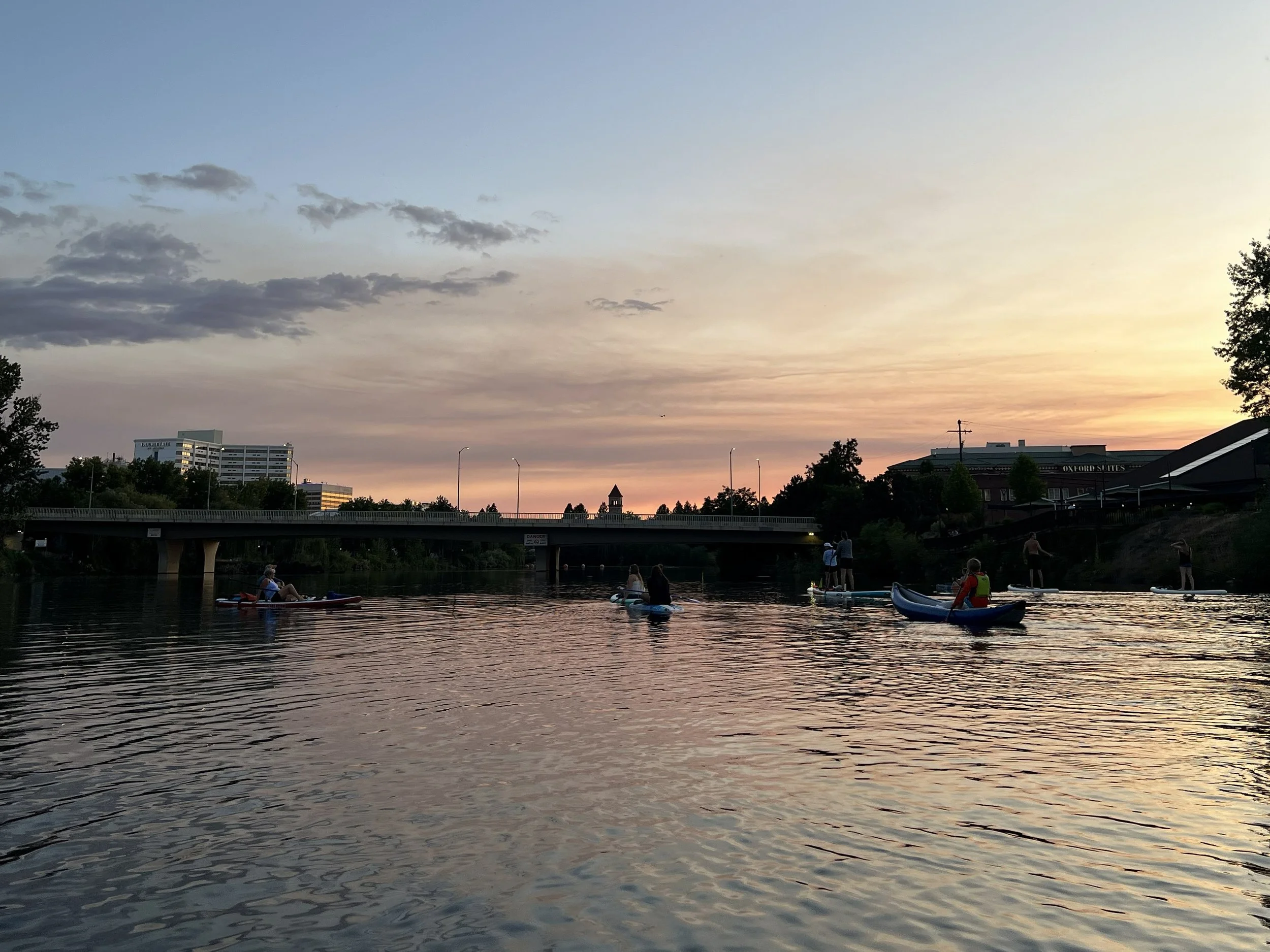
As a water protector, 2026 continues to be a busy and critical year for defending the Spokane River and clean waters. From legislative advocacy and federal rulemaking to local shoreline decisions and industrial cleanup plans, the work spans every level of governance. Here’s a look at what I’ve been working on recently and what’s ahead.
Clean & Abundant Water Lobby Day + Legislative Advocacy
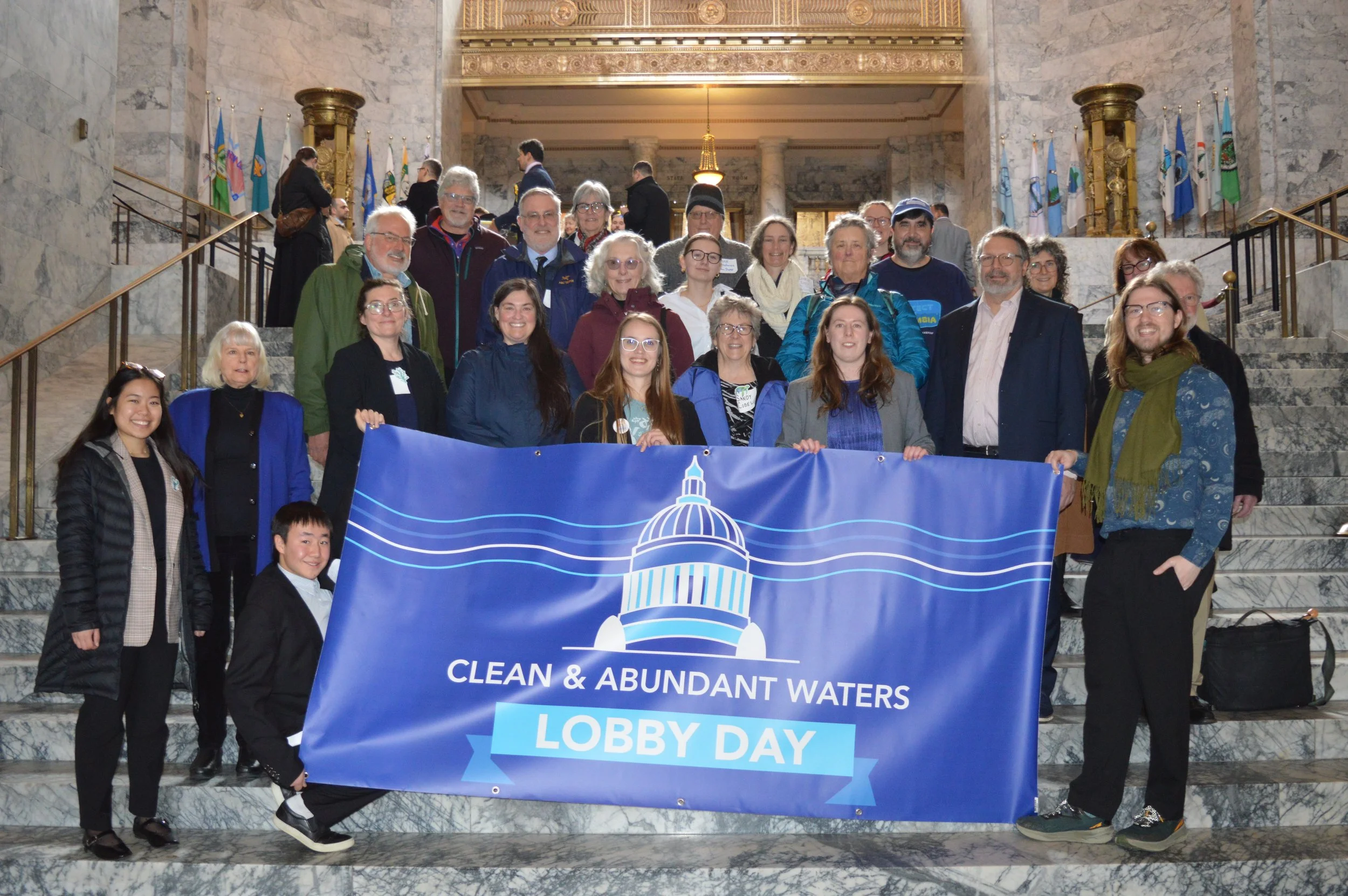
Earlier this month, I attended Clean & Abundant Water Lobby Day in Olympia alongside Waterkeepers and clean water advocates from across Washington. We met directly with legislators to advocate for policies that protect river flows, strengthen water quality standards, and support sustainable water management across the state.
Sharing the impact of our work and our firsthand experience on the river is crucial for ensuring that good environmental policy makes its way through the state legislature. Two of the bills we were lobbying on work to address plastic pollution by reducing plastic bags used at grocery stores and create easy recycling options for plastic bottles. Our river cleanup program has seen firsthand how these kinds of bills reduce the amount of plastic that ends up in the river.
This short legislative session has been fast-paced, and collaboration has been essential. The Waterkeepers across Washington will be coming together again at the end of the month to share a full legislative session recap with updates on key bills, outcomes, and what it means for the future of our state waterways. Stay tuned for more information on that event coming soon.
Local Advocacy: Ruby River Dock Proposal
At the local level, I submitted comments regarding the proposed dock at the Ruby River Inn. Shoreline development decisions have long-term consequences for river health, public access, and habitat, and these comments emphasized the need to ensure projects benefit water quality as much as they benefit human uses.
My comments also discussed the need to protect public waters from incremental privatization, ensuring that shoreline uses are consistent with ecological protection goals, and preventing additional burdens on the public to manage or mitigate impacts in the future. The Shoreline Management Act and City of Spokane Shoreline Management Code have very clear requirements to ensure public access projects remain public, serve a specific water-dependent use, and are inclusive of as many users as possible. One important river user that must be considered are the native redband trout that reside in this stretch of river. This type of dock requires careful scrutiny to prevent projects that set harmful precedents for both the public and the river.
Read my comment letter here, and find more information about this project on the City’s website here.
Northwest Power and Conservation Council (NWPCC) Update
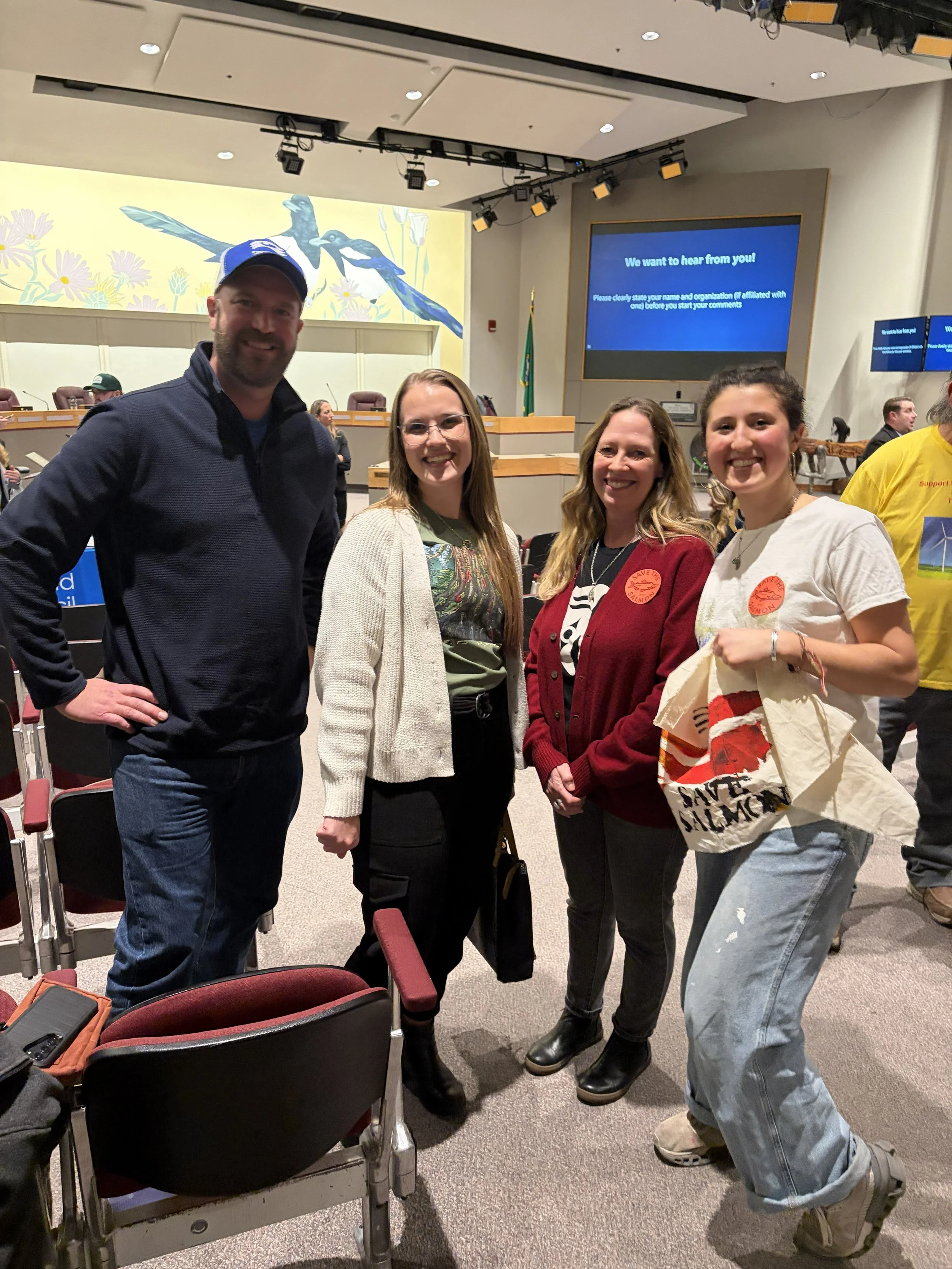
Following the February hearing on the Northwest Power and Conservation Council’s 5-Year Fish and Wildlife Program, we submitted final written comments emphasizing the importance of salmon restoration throughout the Columbia Basin, including the Upper Columbia and Spokane subbasins. This includes asking the council to consider increasing August spill without reducing flow in the Upper Columbia Basin. Instead, we ask the council to consider addressing the impacts of climate change head-on in this plan.
Healthy salmon populations are inseparable from healthy rivers. Protecting and restoring habitat basin-wide is essential to long-term recovery, and it is critical that the Council hears strong support for science-based restoration and accountability.
Read our final written comments here.
Upriver Dam Relicensing Process
I have also begun engaging with the City of Spokane in the early stages of the Upriver Dam relicensing process. Hydropower relicensing presents a rare and important opportunity to secure updated environmental protections, improved habitat conditions, and stronger flow management requirements. These licenses, issued by the Federal Energy Regulatory Commission, typically have a 30-50 year lifespan. The City of Spokane’s current license expires in 2031, and this multiyear process is intended to result in a final license prior to the current license expiration date.
Engaging early is likely going to be key to ensuring our priorities are heard. I will be advocating for a relicensing process that centers ecological health, public transparency, and long-term river resilience. More details to come as the process advances and we learn more about the goals of the project. You can learn more about the process and sign up for updates from the City on the project website here.
Airport Cleanup Plan Review
PFAS contamination is a long-standing concern for those living on the West Plains and a growing concern for the river as research continues to reveal more contamination. An important area of focus in addressing this mess currently is following and reviewing cleanup plans related to contamination near the Spokane International Airport. Ensuring that cleanup efforts are protective of groundwater and downstream river health is critical, particularly given the legacy and ongoing concerns around PFAS and other emerging contaminants.
Careful oversight now helps prevent long-term impacts to both drinking water and the Spokane River. I am finalizing comments on the agreed order and public participation plan to ensure these plans continue to consider impacts to surrounding waters.
Section 401 Advocacy & Federal Water Protections
At the federal level, I joined the Washington Environmental Council and partners in submitting a letter regarding proposed changes to Section 401 of the Clean Water Act. Section 401 authority is one of the most important tools states and tribes have to prevent harmful, federally permitted projects from degrading local waters.
Weakening this authority would undermine decades of progress in water protection. I will continue working with statewide and national partners to defend strong, enforceable Clean Water Act protections.
Protecting the Spokane River requires vigilance at every level: federal rulemaking, state legislation, regional restoration planning, and local land use decisions. Each hearing, comment letter, and coalition effort helps shape the future of our watershed. I remain committed to ensuring that the Spokane River stays clean, flowing, and accessible for generations to come. And I’m incredibly grateful to everyone who continues to show up, speak out, and advocate for clean and abundant water.