
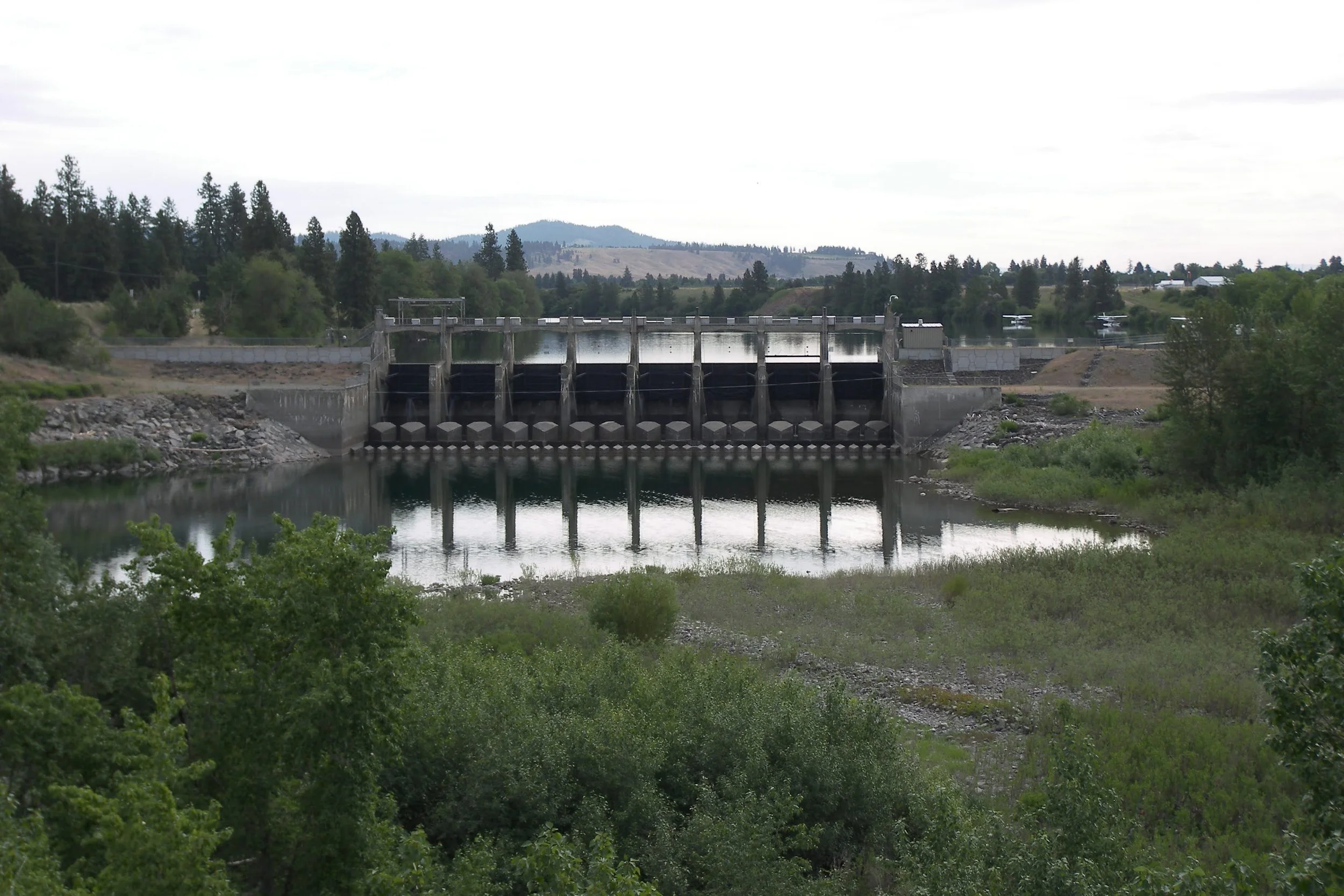
The Spokane River is entering a long process that will shape its future for decades, and now is the time for the public to get involved if you want to make a meaningful difference in what that future looks like. The City of Spokane has started the Upriver Dam relicensing process by filing its pre-application document with the Federal Energy Regulatory Commission (FERC). That filing officially begins the multi-year process that will determine how this dam is operated for the next 30 to 50 years, and it also opens the first public comment period in the process.
This is the point where the framework for the future starts to take shape. What gets studied, what gets prioritized, and what is even considered part of the conversation will all be influenced by what happens at this stage. And in the end, the final license will guide operations into the second half of this century.
What this process actually is
Upriver Dam is a City-owned hydropower facility located on the Spokane River at the upstream edge of the city’s primary river corridor. Because of where it sits, its operation influences water conditions throughout the urban stretch of the river, not just at the dam itself.
Like all hydropower facilities of its kind, it operates under a federal license issued by FERC. These licenses are long-term, typically 30 to 50 years, and they set the conditions for how the dam is operated, including environmental requirements, monitoring, and mitigation measures.
The current license was issued in 1981 and is set to expire in 2031. That means the framework governing how this dam operates was established more than 40 years ago, and it has remained in place through decades of change in the river, the science, and our understanding of water quality and ecosystem health.
One of the key parts of this licensing framework is the Clean Water Act Section 401 certification issued by the state. This is where water quality standards are applied directly to the project. It is one of the main ways impacts to temperature, dissolved oxygen, and contaminants in water and sediment are evaluated, and where enforceable conditions can be added to ensure the dam meets state water quality requirements over the life of the license.
Why we are involved
Obviously, we are going to get involved in a process that could shape this river for decades. This is one of the only points where the public can meaningfully influence the future of this river by speaking up and ensuring that this process does what is best for the river.
Early engagement is especially important because once the scope of the process is set, it becomes much harder to bring in additional issues later. The relicensing process is designed to bring community input in early so that any potentially issues can be addressed in a more timely manner, and to hopefully have a more efficient process overall. So, this early feedback and input ultimately determines what will be studied, what will be measured, and what will ultimately be addressed in the final license.
From our perspective, two of the most important areas in that scope are water quality and fish.
Water quality includes issues like temperature, dissolved oxygen, and legacy contamination in sediments and water. The Spokane River carries a long history of pollutants, including PCBs and heavy metals, and those pollutants continue to influence ecological health and human use of the river.
Fish and aquatic life are just as central. This is especially important for native redband trout and the long-term ability to restore populations throughout the Spokane River system. In the Upriver Reservoir, there are increasing concerns about predation pressure from invasive species like smallmouth bass, which increase pressure on native fish that are already sensitive to changes in habitat and water quality conditions.
These two issues are tightly connected. Temperature, oxygen levels, and habitat conditions all influence where fish can survive, and how vulnerable native species are to both environmental stress and competition from non-native species. Upriver Dam and the reservoir behind it are part of shaping those conditions.
None of these are new issues, but relicensing is one of the few moments when they are required to be revisited at a comprehensive scale, with current science and current conditions on the table. If they are fully evaluated, they can translate into real protections in the final license. If they are not, those gaps carry forward for decades.
What you can do
This process is open right now for public comment, and this early stage is one of the most important opportunities to be involved. If you care about the Spokane River, water quality, fish, habitat, or simply having a healthy and functioning river system, share your perspective directly in the record.
You do not need to be an expert in hydropower or regulatory processes to comment. The most important thing is naming what you value about the river and what you want to see protected, studied, or improved as this process moves forward.
Comments can focus on water quality concerns like temperature, contamination, and sediment conditions, or on fisheries and habitat conditions for native species like redband trout. They can also speak more broadly to the importance of a transparent process and meaningful evaluation of the dam’s long-term impacts on the river. The comment period for the Pre-Application Document is open until August 9th.
You can also attend the public scoping sessions for the Upriver Dam relicensing process. These meetings are an opportunity for community members to learn more about the process and provide input on what issues should be studied in the environmental review. Participants are invited to share comments on topics such as water quality, river flows, fish and habitat conditions, and other concerns related to the Spokane River.
Scoping sessions will be held at Spokane Community College (Little Foot Room):
July 8, 2026 | 5:30–7:30 p.m. (evening session)
July 9, 2026 | 9:00–11:00 a.m. (morning session)
These sessions are part of the official FERC public scoping process and all input will help inform the scope of the environmental analysis for the project.
We will be sharing more information throughout the summer to help people understand the process and find ways to get involved as it continues. The City has information about the process on their project website here. And you can learn more about how to submit comments on FERC’s website here.